Questões de Concurso
Filtrar
11.129 Questões de concurso encontradas
Página 102 de 2.226
Questões por página:
Questões por página:
Concurso:
Prefeitura de Cidade Ocidental - GO
Disciplina:
Inglês
Os alunos, em uma atividade de sala de aula, foram
convidados a prever como será a vida deles daqui a dez
anos. O tempo futuro é usado corretamente para expressar
uma previsão em:
Concurso:
Prefeitura de Cidade Ocidental - GO
Disciplina:
Inglês
A forma correta de ensinar as orações relativas (Relative
Clauses) em uma aula de conversação é:
Concurso:
Prefeitura de Cidade Ocidental - GO
Disciplina:
Inglês
Leia o diálogo a seguir.
A: What were you doing yesterday when I called you?
B: I didn’t hear the phone. I was taking a shower.
Com base no diálogo, o tempo verbal da frase “I was taking a shower” expressa o quê em relação à ligação telefônica?
Concurso:
Prefeitura de Cidade Ocidental - GO
Disciplina:
Inglês
Durante uma atividade de conversação em inglês, os alunos mostram um objeto e dizem:
“This book is mine.”
“Is that pen yours?”
Essa atividade ajuda principalmente os alunos a praticarem
Concurso:
Prefeitura de Cidade Ocidental - GO
Disciplina:
Inglês
Leia o texto a seguir.
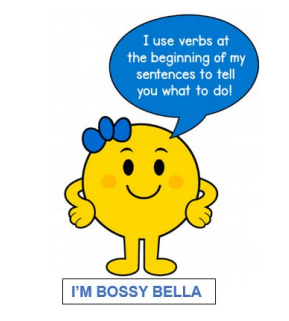
A ilustração apresentada mostra uma atividade de sala de aula que utiliza a personagem Bossy Bella para ajudar os alunos a compreenderem o uso dos verbos para:
