Questões de Concurso
Filtrar
11.129 Questões de concurso encontradas
Página 450 de 2.226
Questões por página:
Questões por página:
mostrar texto associado

According to the text
mostrar texto associado
A digital footprint is
mostrar texto associado
The following extract, Text 2, comes from the
introductory paragraph of the article:
In fact, reading could actually make you a _____, _____ person. It also makes you act in a _____ acceptable manner.
The alternative with the sequence of words that accurately completes the extract is
In fact, reading could actually make you a _____, _____ person. It also makes you act in a _____ acceptable manner.
The alternative with the sequence of words that accurately completes the extract is
mostrar texto associado
Do statements agree with the information from the
Text 2? Decide True (T) if the statement agrees
with the information from the article or False (F) if
the statement contradicts the information from the
article.
( ) The study has shown that although people who read tend to be more intelligent, they have more difficulties with social interactions. ( ) The study with 124 participants researched their own reading preferences as well as how they notice what is happening to other people. ( ) People who prefer watching TV tend to be more polite and better behaved. ( ) Literature as a whole affects people equally, regardless of the genre. ( ) The study does not decisively prove that reading actually makes people become nicer.
Now choose the alternative with the correct sequence.
( ) The study has shown that although people who read tend to be more intelligent, they have more difficulties with social interactions. ( ) The study with 124 participants researched their own reading preferences as well as how they notice what is happening to other people. ( ) People who prefer watching TV tend to be more polite and better behaved. ( ) Literature as a whole affects people equally, regardless of the genre. ( ) The study does not decisively prove that reading actually makes people become nicer.
Now choose the alternative with the correct sequence.
mostrar texto associado
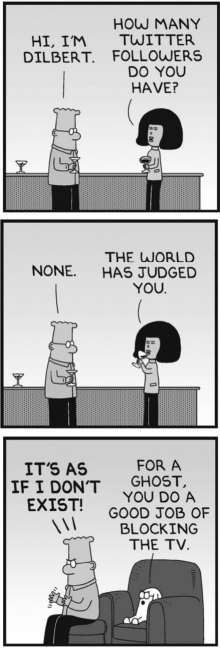
According to the Text 1 in ‘It’s as if I don’t exist’,
‘as if’ is expressing
